Middle East in the 21st Century: Shared Prosperity or Endless Conflict?
2/11/26
By ROPES Team
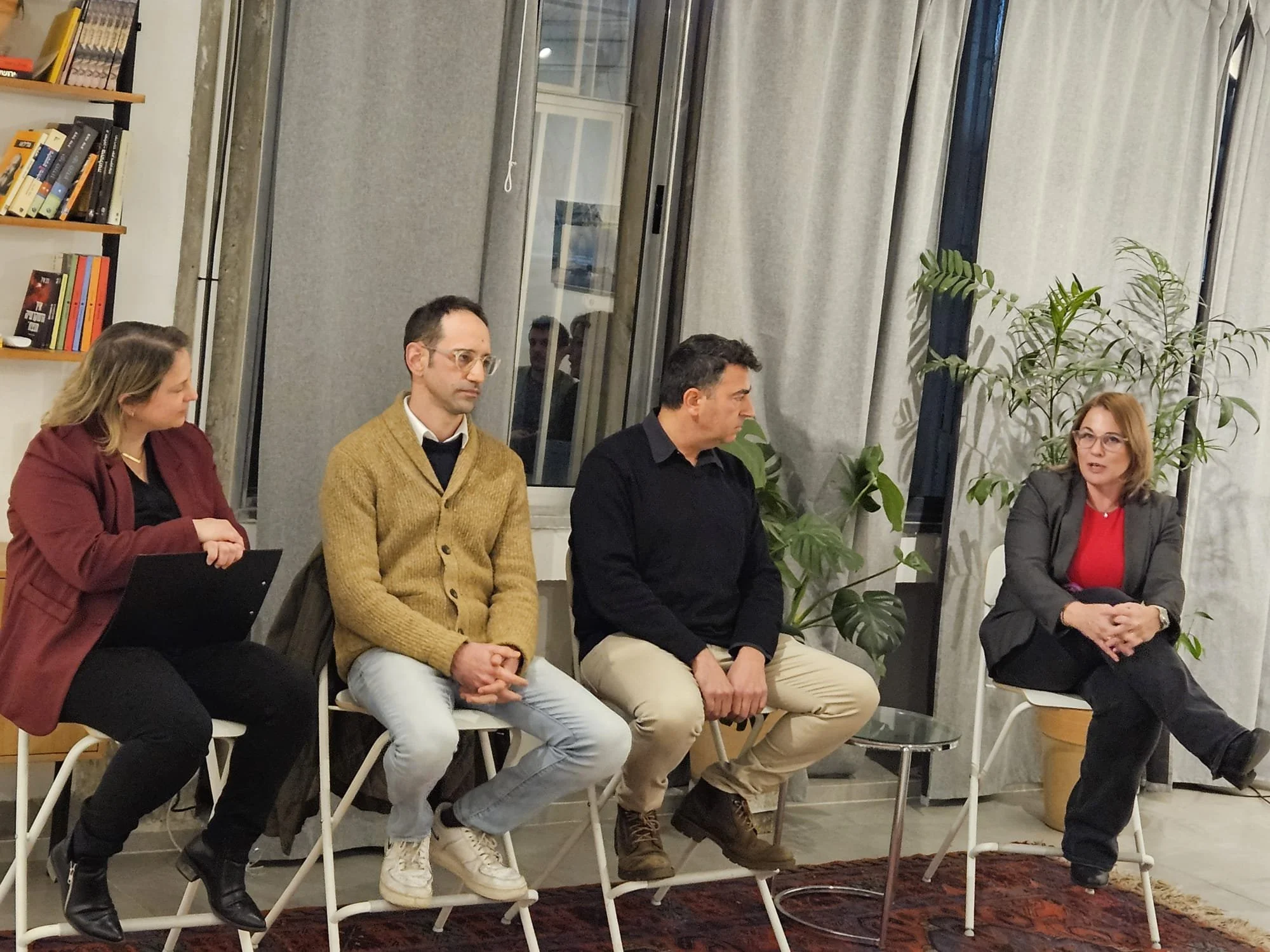
What will define the Middle East in the 21st century — shared prosperity or endless conflict? This was the central question at our recent panel, “Middle East in the 21st Century: Trains & Rivieras or Eternal War?”, convened by ROPES.
Moderated by Ksenia Svetlova, the panel featured:
Eli Bar-On – MENA 2050
Sharon Bengio – EcoPeace Middle East
Tom Vizel – WeAreMENA
“First and foremost, we want to make these connections among ourselves, within the camp that believes in peace.” — Ksenia Svetlova, ROPES CEO & Panel Moderator
Together, they explored how real cooperation is built across borders, even in politically and socially challenging climates.
Can Cooperation Overcome Mistrust?
Shared goals provide the foundation for lasting partnerships across borders. As Eli Bar-On said:
“In a fractured Middle East, we focus on what actually binds the region together: shared interests, shared risks, and shared opportunities.”
Civil society is proving that cooperation can happen even amid tension.
Can Nature Bridge Divides?
Environmental and climate challenges can be more than risks — they can create opportunities for dialogue and collaboration. Sharon Bengio noted:
“The IMEC represents an unprecedented opportunity. Environmental and climate challenges can be not only risk multipliers but also opportunity multipliers.”
Projects in energy, water, and transportation are already showing how ecology can bring the region together.
How Are Young People Shaping the Region?
The next generation is proving that youth networks are multipliers, scaling ideas and trust across borders. Tom Vizel shared:
“Young people are not just participants in dialogue, they are multipliers. Bringing together youth from 10 countries shows what becomes possible when we invest in meaningful encounters. We are shaping the human infrastructure of cooperation for the next generation.”
Youth-led networks are creating the future of cross-border collaboration today.
What Is the Vision for the Future?
Panelists offered a clear picture: a Middle East that tackles modern challenges through coordinated, cross-border efforts, from climate change to economic development. Cooperation is practical, resilient, and forward-looking.
The Takeaway
Despite today’s tensions, real cooperation is happening. Civil society is laying the groundwork for a more peaceful, sustainable, and interconnected Middle East — work that governments may one day build upon.
At ROPES, we are proud to support and amplify these efforts. The future of the Middle East is being built now — and we’re helping shape it.